
Building Robust Infrastructure Through Integrated Engineering Excellence
Ensure structural integrity and operational reliability with comprehensive civil, structural, and MEP design services in India that deliver safe, compliant, and efficient facilities meeting all regulatory requirements and performance standards throughout their operational lifecycle.

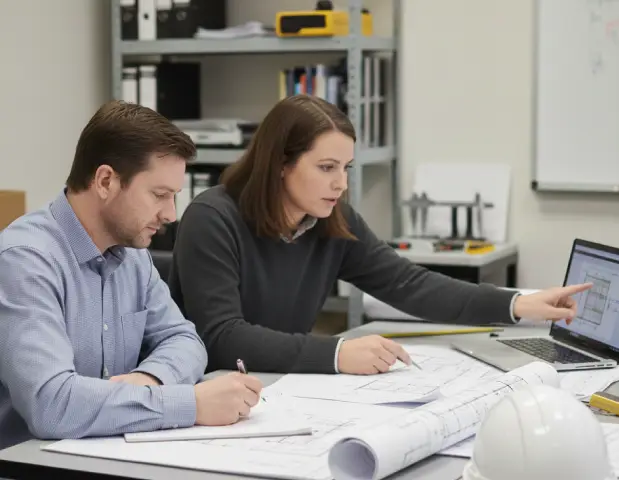
Civil, Structural, MEP Design and Validation in India
Civil, structural, and MEP design is the engineering discipline that ensures a manufacturing facility is structurally safe, operationally functional, and regulatory compliant, covering foundations, structural frameworks, mechanical systems, electrical distribution, plumbing, drainage, and fire protection. In India, manufacturing facility design must comply with the National Building Code 2016, IS 456 for reinforced concrete structures, IS 800 for steel structures, IS 1893 for seismic zone requirements, CEA electrical regulations, and Factory Act structural safety obligations, each carrying distinct design implications depending on location, occupancy, and process type.
IMARC Engineering’s civil, structural, and MEP design services in India cover site development, foundation design, structural calculations, equipment foundation design, HVAC engineering, electrical distribution planning, plumbing and drainage design, fire protection systems, and GMP validation documentation for pharmaceutical and food processing facilities.
For manufacturing projects requiring regulatory approval, our design packages are structured to meet Factory Act inspection requirements, fire NOC submissions, environmental clearance applications, and CDSCO or FSSAI facility licensing, ensuring design documentation supports every regulatory submission from construction through commissioning.
Our Integrated Design Methodology
Our systematic engineering approach integrates civil site requirements, structural load analysis, mechanical systems design, electrical distribution planning, and plumbing infrastructure to create comprehensive facility solutions. This proven four-phase methodology ensures coordinated designs meeting all performance, safety, and regulatory requirements.


Site Assessment and Requirements Definition
Evaluating site conditions, soil characteristics, utility availability, regulatory requirements, and operational specifications to establish comprehensive design criteria and performance standards.

Integrated Design Development and Analysis
Creating coordinated civil, structural, and MEP designs with detailed calculations, load analysis, system sizing, equipment selection, and compliance verification ensuring integrated solutions.

Engineering Documentation and Specifications
Preparing comprehensive construction drawings, technical specifications, calculation packages, equipment schedules, and procurement documents supporting accurate project implementation.

Construction Support and Systems Validation
Providing technical clarifications, submittal reviews, site inspections, testing protocols, and commissioning support ensuring proper installation and documented system performance verification.
Why Choose IMARC Engineering for Civil, Structural, MEP Design and Validation in India?
Our integrated engineering methodology combines technical expertise, regulatory knowledge, and practical construction experience to deliver reliable facility infrastructure. This comprehensive approach ensures structural integrity, systems performance, and compliance while supporting efficient operations and long-term reliability.

Integrated Civil, Structural, and MEP Design
Manufacturing facility design failures most frequently occur at the interfaces between civil, structural, and MEP disciplines, where coordination gaps between independently working design teams result in structural penetrations that compromise beam integrity, MEP service routes that conflict with structural members, equipment foundations that create vibration transmission paths to sensitive processes, and drainage designs that are incompatible with floor loading requirements. IMARC Engineering delivers civil, structural, and MEP design under a single engineering coordination framework, with all discipline designs developed concurrently and cross-referenced against each other before construction documentation is issued. This integrated approach eliminates the coordination-failure costs that arise from multi-consultant fragmented design including design change orders during construction, structural remediation works, and MEP rerouting that collectively represent the most significant source of cost overrun and schedule delay in Indian manufacturing facility construction projects.

Manufacturing Process-Informed Structural and Civil Design
Manufacturing facility structural and civil design cannot be undertaken as a standard industrial building exercise without reference to the specific process equipment, utility systems, and operational requirements that the structure must accommodate. A pharmaceutical cleanroom facility requires structural designs that support HVAC plant loads on the roof, accommodate GMP-compliant floor finishes with specific loading and drainage characteristics, and provide vibration isolation for sensitive analytical equipment. A chemical manufacturing facility requires corrosion-resistant materials specifications for structures in chemical exposure zones, bunded secondary containment designs for hazardous chemical storage areas, and equipment foundations engineered for the dynamic loads of reactor agitators and centrifuges. A food processing facility requires hygienic design structural details including coved wall-floor junctions, stainless steel fittings in food contact zones, and drainage systems designed for wash-down operations. IMARC Engineering’s structural and civil designs are developed in direct reference to the process layout and equipment specifications of the manufacturing facility, ensuring the structural solution supports the production function from day one of operation.

Full Compliance with Indian Structural Codes and Seismic Zone Requirements
India’s structural design code landscape spans multiple Indian Standards covering reinforced concrete design under IS 456, steel structure design under IS 800, seismic load determination under IS 1893, wind load determination under IS 875, and foundation design under IS 1080 and IS 2911 for pile foundations. Manufacturing facilities in Seismic Zones III, IV, and V, which cover significant parts of Gujarat, Maharashtra, the Himalayan belt, and the Andaman and Nicobar Islands, require ductile detailing of structural frames and specific foundation designs that standard industrial building design practice in lower seismic zones does not provide. The National Building Code 2016 imposes occupancy-specific structural safety requirements for industrial facilities that differ from commercial and residential construction standards. IMARC Engineering’s structural designs are produced with full IS code compliance calculations, seismic zone-specific ductile detailing, and NBC 2016 occupancy compliance documentation, meeting the submission requirements of Factory Act inspections, building plan approvals, and structural safety certifications across all Indian states and seismic zones.

GMP-Aligned Facility Design for Industrial Regulatory Compliance
Pharmaceutical and food processing manufacturing facilities in India must meet GMP design standards that go beyond standard industrial construction requirements, with Schedule M, WHO-GMP, and FSSAI regulations prescribing specific requirements for floor finish standards, wall construction, ceiling height, surface cleanability, drainage design, utility penetration sealing, and construction material specifications that directly determine whether a CDSCO or FSSAI facility inspection results in a compliant assessment or a corrective action requirement. IMARC Engineering’s civil and structural designs for pharmaceutical and food processing facilities incorporate GMP design requirements as primary design inputs rather than as post-design compliance checks, specifying GMP-compliant floor finishes with appropriate loading capacity and drainage fall, hygienic wall construction details, cleanroom ceiling system designs compatible with HVAC and utility service integration, and construction material specifications that satisfy CDSCO and FSSAI surface finish and cleanability standards.

Validation Documentation Integrated with Engineering Design Deliverables
Pharmaceutical manufacturing facilities in India require qualification and validation of facility systems including civil finishes, structural elements supporting cleanroom HVAC, and MEP systems, with IQ, OQ, and PQ documentation required for CDSCO manufacturing licence applications and GMP inspection support. The most common and costly validation failure mode is designing and constructing a facility without maintaining the design intent documentation required to demonstrate that the built facility meets its specified GMP requirements. IMARC Engineering prepares Design Qualification documents, construction specification records, and material certification packages as integral deliverables of the civil, structural, and MEP design engagement, ensuring that every GMP-relevant design decision is documented with its regulatory justification, and that the design documentation package supports direct progression to IQ execution at commissioning without a documentation remediation phase that delays CDSCO licence application submission.

Regulatory Submission-Ready Documentation
Manufacturing facility construction in India requires building plan approvals, Factory Act structural inspection clearances, fire NOC submissions to state fire services authorities, and for specified project categories, environmental clearance documentation that includes civil and structural facility descriptions. Each of these regulatory submissions requires design documentation in specific formats and at specific levels of detail, and design packages that are technically adequate for construction but not formatted for regulatory submission create avoidable delays in obtaining approvals that are on the critical path for construction commencement and facility commissioning. IMARC Engineering structures civil, structural, and MEP design documentation to meet the submission requirements of each regulatory authority simultaneously, producing building plan approval drawings, Factory Act inspection packages, fire NOC application documentation, and environmental clearance facility descriptions as concurrent deliverables of the design programme rather than sequential rework exercises.
Civil, Structural, MEP Design and Validation Across Key Sectors in India
IMARC Engineering delivers integrated civil, structural, and MEP design, GMP validation documentation, and construction supervision across India’s most active manufacturing sectors
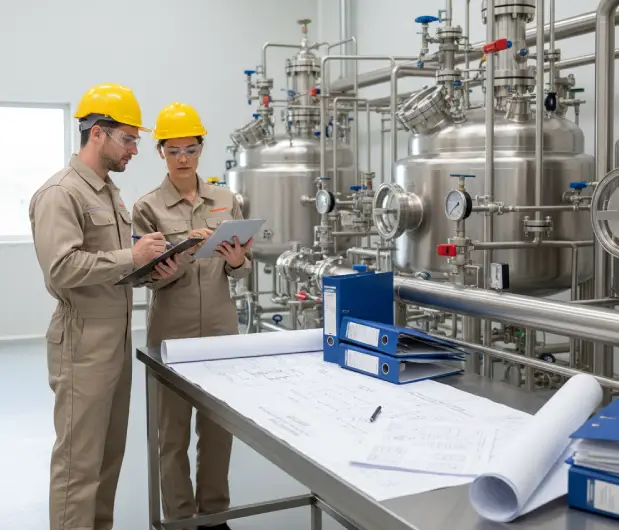
GMP-compliant civil and structural design for cleanroom manufacturing facilities meeting Schedule M and WHO-GMP surface finish, drainage, and construction material requirements. Structural design for cleanroom HVAC roof plant loads, equipment foundation design for tablet presses, granulators, and coating equipment, and MEP design integrating purified water, clean steam, compressed air, and electrical distribution within GMP cleanroom construction constraints. Design Qualification documentation, construction specification records, and IQ protocol frameworks for CDSCO manufacturing licence applications and GMP inspection support.
Hygienic design civil and structural specifications for food processing facilities meeting FSSAI and HACCP design requirements, including coved floor-wall junctions, stainless steel drainage channels, smooth impervious surface finishes, and positive drainage gradients for wash-down operations. Structural design for process equipment loads including large-scale mixing, pasteurisation, and filling line equipment. MEP design for potable water distribution, process steam, refrigeration plant, and high-load electrical distribution for food processing equipment. Fire NOC submission documentation and Factory Act inspection packages for food processing facility approvals.
Structural design for chemical manufacturing facilities incorporating corrosion-resistant materials specifications for acid and alkali exposure zones, bunded secondary containment for hazardous chemical storage meeting HWM Rules 2016 design standards, and explosion-proof construction details for flammable solvent handling areas. Equipment foundation design for reactors, distillation columns, centrifuges, and agitated vessels with dynamic load analysis. MEP design for hazardous area electrical systems to IS 5571 and IS 5572 standards, process cooling water, and scrubber and emission control system integration.
Civil and structural design for multi-product manufacturing facilities including flexible production area layouts, high-speed filling and packaging line equipment foundations, and warehouse structural design for racking system loads. MEP design for HVAC systems controlling temperature and humidity for moisture-sensitive product categories, electrical distribution for high-speed packaging lines, and compressed air systems for pneumatic filling and labelling equipment. Fire protection system design for facilities handling flammable aerosol propellants and solvent-based personal care products.
Structural design for agrochemical manufacturing facilities incorporating explosion-proof construction in flammable solvent handling zones, seismic zone-compliant structural detailing for facilities in high-seismicity states, and secondary containment structural design for pesticide storage meeting CPCB and state PCB requirements. MEP design for hazardous area electrical classification zones, toxic gas scrubber integration, and process cooling and heating utility distribution. Environmental clearance facility description documentation for EIA submissions to SEAC and CEAC for Schedule B agrochemical project categories.
ISO 13485-aligned civil and structural design for medical device manufacturing cleanrooms including vibration-controlled equipment foundation design for precision machining and metrology equipment. MEP design for cleanroom HVAC, validated purified water systems, compressed air and process gas distribution, and controlled electrical power quality for sensitive device testing equipment. Design Qualification documentation and construction specification records structured for CDSCO Class B and C device manufacturing licence applications and CE marking technical file requirements.
Structural design for heavy industrial manufacturing facilities including heavy equipment foundations, crane gantry structures, mezzanine and elevated platform designs for multi-level production layouts, and large-span roof structures for assembly and fabrication areas. MEP design for high-load power distribution for machine tools, heat treatment furnaces, and electrostatic finishing systems, compressed air distribution for pneumatic tooling and conveying, and process cooling water systems. Factory Act inspection documentation and building plan approval packages for industrial manufacturing facility statutory approvals.
Frequently Asked Questions: Civil, Structural, MEP Design and Validation in India
We've compiled answers to critical questions manufacturers and investors ask about civil, structural, and MEP engineering design and validation. These insights address key concerns around design requirements, regulatory compliance, system performance, and impact on facility reliability and operational success.
Trusted by Industry Leaders
We partner with global enterprises and ambitious businesses across sectors to deliver operational excellence, strategic insights, and sustainable growth through integrated solutions.










Success in Their Words
Real feedback from clients across industries. Discover how our solutions delivered measurable impact and operational excellence.

I wanted to express my sincere appreciation for your efforts in handling this matter. Your dedication and commitment have been truly commendable, and it is evident that you have put in tremendous hard work and expertise into resolving the issues at hand. We are greatly interested in continuing our collaboration with you in the future, as your professionalism and reliability have made you a trusted partner. Thank you once again for your invaluable contribution. We look forward to strengthening our partnership ahead.

It has been a pleasure working with the IMARC team. The insights provided were structured, clear, and highly valuable, helping us strengthen both our technical and financial planning with confidence. We deeply appreciate the team’s professionalism, responsiveness, and attention to detail throughout the engagement. Every requirement was well understood and effectively incorporated, resulting in a comprehensive and actionable output. Overall, our experience has been excellent, and I would gladly recommend IMARC to organizations seeking a reliable research partner.

Your service is truly exceptional. Working with the IMARC team has been a seamless and professional experience. The clarity of communication, responsiveness to queries, and consistent support at every stage made the entire engagement highly efficient. The insights shared were well-structured, practical, and perfectly aligned with our requirements, helping us make informed decisions with confidence. Overall, the dedication and professionalism demonstrated by your team stand out, and I would be glad to recommend IMARC as a reliable and trustworthy research partner.

IMARC did an outstanding job in preparing our study. They were punctual, precise, and consistently responsive throughout the entire process. The team delivered all the data we required in a clear, well-organized, and highly professional format. Their strong attention to detail, combined with their ability to meet every deadline without compromising quality, truly set them apart. Overall, their reliability and commitment made them an exceptional partner for our project, and we would gladly work with them again in the future.

IMARC made the whole process incredibly easy from start to finish. Everyone I interacted with via email was polite, professional, and straightforward to deal with, always keeping their promises regarding delivery timelines and remaining consistently solutions-focused. From my very first contact, I appreciated the professionalism and support shown by the entire IMARC team. I highly recommend IMARC to anyone seeking timely, affordable, and reliable information or advice. My experience with IMARC was excellent, and I truly cannot fault any aspect of it.

I’d like to express my sincere gratitude for the excellent work you accomplished with the study. Your ability to quickly understand our requirements and deliver high-quality results under tight timelines truly reflects your expertise, exceptional work ethic, and unwavering commitment to your customer’s success. The professionalism and responsiveness you demonstrated throughout the process made a significant difference. Our entire team and company are incredibly thankful for your dedication, reliability, and support. Once again, thank you for your outstanding contribution.
Speak to Our Civil, Structural, MEP Design and Validation Team
Whether you are a pharmaceutical, food, chemical, FMCG, agrochemical, medical device, or industrial manufacturer, IMARC Engineering delivers integrated civil, structural, and MEP design aligned with GMP and regulatory requirements from authorities such as Central Drugs Standard Control Organization and Food Safety and Standards Authority of India. Our expertise spans cleanroom design, hazardous and hygienic infrastructure, heavy equipment foundations, and compliance documentation. We ensure facilities are structurally sound, operationally efficient, and fully compliant across their lifecycle.